
Your vehicle’s transmission is one of the most critical components of the drivetrain. It ensures that power from the engine is properly transferred to the wheels, allowing your car to accelerate smoothly. However, when the transmission starts to slip, you may begin to notice strange symptoms that can affect your car’s performance, safety, and reliability. Detecting transmission slipping early can help prevent costly repairs down the line.
In this article, we’ll explain what transmission slipping is, the common signs, possible causes, and what to do if you suspect your transmission is in trouble.
How to Tell If Your Transmission Is Slipping?
What Does “Transmission Slipping” Mean?
When a transmission “slips,” it means that it’s not engaging properly between gears. Instead of smoothly shifting or staying in gear, the transmission momentarily loses the connection between the engine and the wheels.
This can feel like your car is changing gears on its own, or that it’s hesitating when you accelerate. In automatic transmissions, slipping often means the internal clutches or bands are worn, or that the transmission fluid level or pressure is incorrect.
Simply put: if your engine revs but your car doesn’t accelerate as it should, your transmission might be slipping.
Common Signs Your Transmission Is Slipping
Here are the most noticeable symptoms that can help you identify a slipping transmission:
1. Delayed or Rough Shifting
If you feel a delay when shifting from park to drive or notice that gear changes feel rough or jerky, it’s a major sign of transmission slipping. The transmission should shift gears almost instantly and smoothly.
2. High Engine RPM Without Speed Increase
When you press the gas pedal, your RPM gauge climbs high, but your car doesn’t move faster — that’s a classic sign of slipping. It means power from the engine isn’t fully reaching the wheels.
3. Unusual Noises
Slipping transmissions often produce whining, clunking, or grinding sounds, especially during gear changes. These noises suggest internal wear or fluid issues.
4. Burning Smell
A burning odor, particularly one that smells like burnt rubber or oil, can indicate that your transmission fluid is overheating or breaking down. Low or dirty fluid causes excess friction, leading to slipping and potential damage.
5. Transmission Warning Light
Modern vehicles have sensors that monitor transmission performance. If the Check Engine or Transmission Warning Light appears, it’s time to have your vehicle inspected.
6. Difficulty Staying in Gear
If your car unexpectedly pops out of gear or struggles to stay in one, that’s another strong indicator that your transmission is slipping.
Common Causes of Transmission Slipping
Transmission slipping doesn’t happen overnight. It’s often a sign of wear or lack of maintenance. Here are some of the most common causes:
- Low or Leaking Transmission Fluid: The most frequent culprit. Hydraulic pressure, lubrication, and cooling are all provided by transmission fluid. A leak or low fluid level can cause slipping and overheating.
- Worn Clutch (Manual or Automatic): In manual transmissions, a worn clutch can’t maintain proper contact, leading to slippage. In automatics, worn clutch plates or bands can cause the same issue.
- Dirty or Burnt Fluid: Contaminated fluid can’t perform its job effectively, leading to slipping and gear engagement problems.
- Faulty Solenoids: The transmission fluid flow is managed by these electrical parts. A bad solenoid can disrupt shifting.
- Worn Gears or Bands: Over time, internal components wear out and fail to maintain friction, resulting in gear slippage.
What to Do If Your Transmission Is Slipping
Here’s what to do if you think your transmission is slipping:
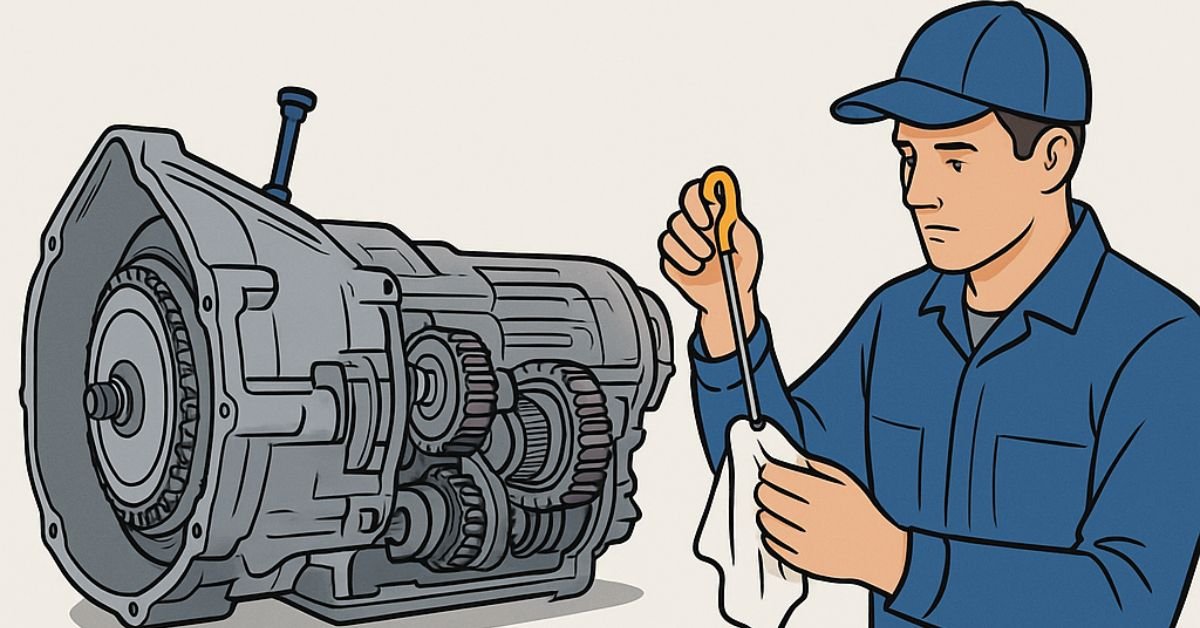
- Check Your Transmission Fluid:
- Ensure the fluid level is correct.
- Look at the color — healthy fluid is bright red or pink; dark or burnt-smelling fluid is a bad sign.
- Avoid Driving Too Much:
Continued driving with a slipping transmission can cause severe internal damage. Try to limit driving until the issue is diagnosed. - Visit a Professional Mechanic:
A transmission specialist can perform diagnostic tests, check for fluid leaks, and determine whether the issue is minor (like a fluid change) or serious (like internal wear). - Consider a Transmission Service:
Sometimes a full fluid flush, filter replacement, or software update can resolve slipping issues — especially if caught early.
Final Thoughts
A slipping transmission is a serious warning sign that should never be ignored. Early detection can save you from expensive repairs and extend the life of your vehicle. Regular maintenance — including checking transmission fluid levels and having your car serviced on schedule — is the best way to avoid transmission problems altogether.
If you ever notice your car revving too high, shifting roughly, or smelling burnt fluid, it’s time to act. Taking your vehicle to a trusted mechanic right away could be the difference between a simple fix and a complete transmission replacement.