
When it comes to keeping your car running smoothly, transmission fluid plays a critical role. It lubricates moving parts, cools the transmission, and ensures that gears shift properly. But just like engine oil, transmission fluid doesn’t last forever. Over time, it can degrade, lose its effectiveness, and even cause damage if ignored. So, does transmission fluid go bad? The short answer is yes—and understanding why and how it happens can save you from costly repairs.
Does Transmission Fluid Go Bad?
What Is Transmission Fluid?
Transmission fluid is a specially formulated oil designed to keep your vehicle’s transmission working efficiently. It serves several essential functions:
- Lubrication: Prevents metal parts from grinding against each other.
- Cooling: Reduces heat generated by friction and movement.
- Cleaning: Helps flush out debris and contaminants.
- Hydraulic Pressure: Enables smooth gear shifts in automatic transmissions.
There are different types of transmission fluid, such as automatic transmission fluid (ATF) and manual transmission fluid, each tailored for specific systems. Regardless of the type, the fluid’s condition directly affects your vehicle’s performance.
Can Transmission Fluid Actually Go Bad?
Yes, transmission fluid can and does go bad over time. Unlike motor oil, which is replaced regularly, transmission fluid is designed to last much longer—sometimes up to 60,000 or even 100,000 miles, depending on your vehicle and driving conditions. However, it doesn’t last forever.
Here are some reasons transmission fluid goes bad:
- Heat and Oxidation:
Transmission fluid operates under high temperatures. Over time, exposure to heat causes the fluid to oxidize, breaking down its chemical structure. Oxidized fluid loses its lubricating properties, leading to increased friction and wear. - Contamination:
Tiny metal particles, clutch material, and dirt can contaminate the fluid as your transmission operates. These particles circulate through the system, causing further wear and reducing the fluid’s effectiveness. - Moisture Exposure:
In rare cases, moisture can enter the transmission system through leaks or condensation. Water contamination drastically reduces the fluid’s ability to lubricate and can lead to corrosion. - Additive Depletion:
Transmission fluids contain additives that enhance performance—such as anti-foaming agents, friction modifiers, and detergents. Over time, these additives wear out, leaving the fluid less effective.
Signs Your Transmission Fluid Has Gone Bad
It’s important to recognize the warning signs of old or degraded transmission fluid. Here are a few common symptoms:
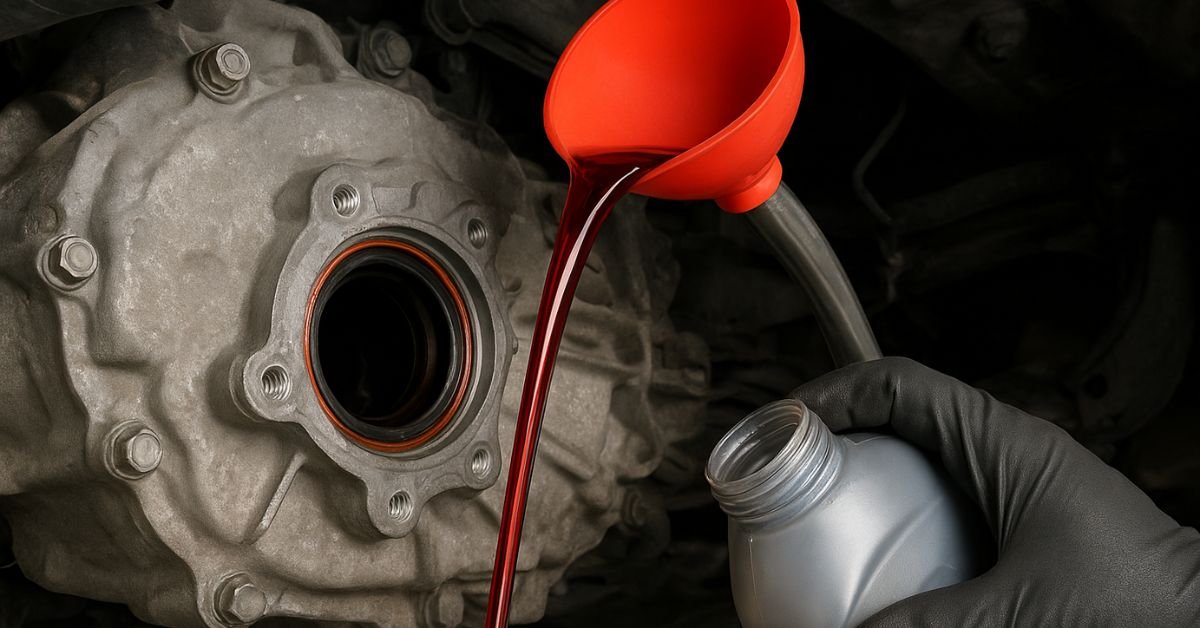
- Dark or Burnt Fluid: Fresh transmission fluid is typically bright red or pink and has a slightly sweet smell. If it turns dark brown or smells burnt, it’s a sign of oxidation and overheating.
- Slipping Gears: When the fluid can’t provide proper hydraulic pressure, your car may struggle to shift gears or slip between them.
- Delayed Shifting: Bad fluid can cause noticeable delays when changing gears.
- Grinding or Shaking: If your transmission feels rough during operation, it might be due to insufficient lubrication.
- Overheating: Poor fluid can cause the transmission to overheat, triggering dashboard warning lights.
How Often Should You Change Transmission Fluid?
The answer depends on your car’s make, model, and driving conditions. Most manufacturers recommend checking the transmission fluid every 30,000 to 60,000 miles, while some modern vehicles with “lifetime” fluid may go longer. However, “lifetime” doesn’t mean forever—even these fluids can degrade over time.
If you drive in severe conditions, such as heavy traffic, high temperatures, or frequent towing, you should replace the fluid more often. Always consult your owner’s manual for the recommended maintenance schedule.
Can Old Transmission Fluid Damage Your Car?
Absolutely. Neglecting your transmission fluid can lead to serious problems. Without proper lubrication and cooling, parts wear out faster, seals can harden, and the transmission may eventually fail. Repairing or replacing a transmission can cost thousands of dollars, whereas a fluid change typically costs much less.
Conclusion
So, does transmission fluid go bad? Yes—it definitely can. Over time, heat, contamination, and chemical breakdown reduce its effectiveness. Regular maintenance, including checking and replacing your transmission fluid as needed, is the best way to protect your vehicle’s transmission and ensure smooth, reliable performance. Think of transmission fluid as your car’s lifeblood—if you take care of it, it will take care of your car.