
Automatic transmission fluid (ATF) plays a critical role in the operation, protection, and longevity of an automatic transmission. It lubricates moving parts, transfers hydraulic pressure, cools internal components, and helps ensure smooth gear shifts. A common question among vehicle owners and DIY enthusiasts is: does the volume of automatic transmission fluid expand when it heats up? The short answer is yes—but understanding how and why this happens is important for proper maintenance and avoiding costly transmission problems.
Does the Volume of Automatic Transmission Fluid Expand When It Heats Up?
Understanding Thermal Expansion in Fluids
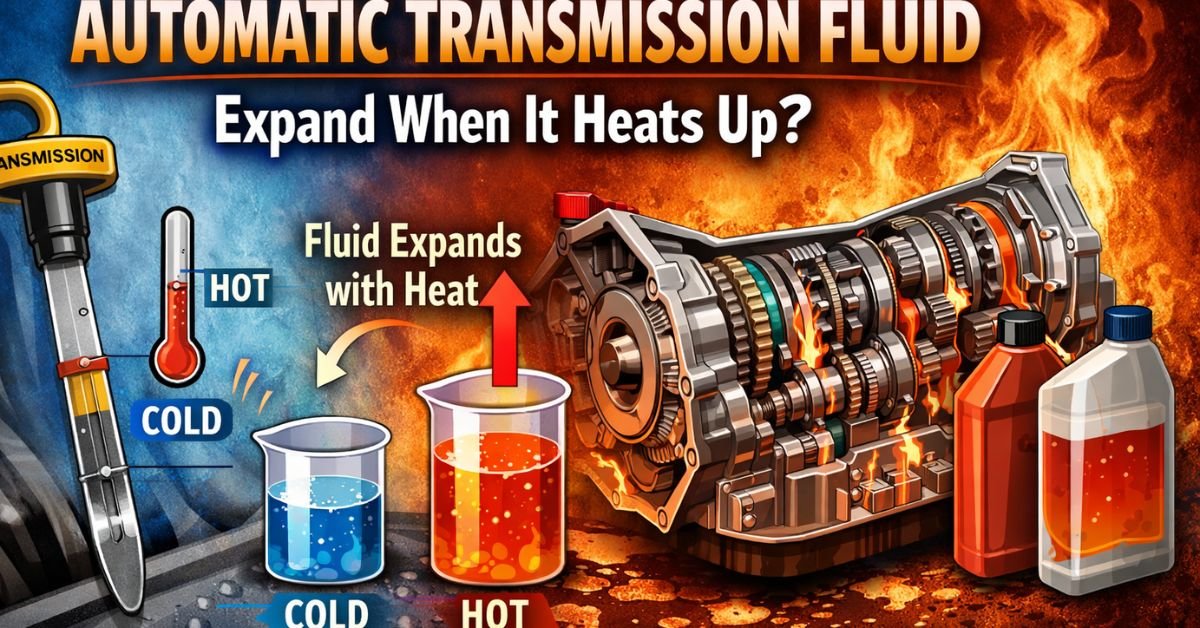
Like most liquids, automatic transmission fluid expands when it is heated and contracts when it cools. This behavior is known as thermal expansion. As the temperature of ATF rises during normal driving, the fluid molecules move faster and spread slightly farther apart, causing the overall volume of the fluid to increase.
In an automatic transmission, fluid temperatures can vary significantly. When a vehicle is cold, especially after sitting overnight, ATF is cooler and more compact. After driving for 15 to 30 minutes, especially in traffic, towing, or hot weather, transmission temperatures can rise substantially—often reaching 175°F to 220°F (80°C to 105°C), and sometimes higher under heavy load. As the temperature increases, the fluid expands accordingly.
Why Transmission Fluid Expansion Matters
The expansion of automatic transmission fluid is not a design flaw—it is something manufacturers account for when engineering transmissions. However, this expansion has important implications for fluid level checks, transmission performance, and long-term reliability.
If a transmission is overfilled when cold, the fluid may expand too much once it heats up. Excess fluid can become aerated (mixed with air), which reduces its ability to maintain proper hydraulic pressure. This can lead to erratic shifting, slipping gears, overheating, and even internal damage.
On the other hand, if the transmission is underfilled, there may not be enough fluid to properly lubricate and cool internal components, especially once the fluid thins out at higher temperatures. Both situations can shorten the life of the transmission.
Hot vs. Cold Fluid Level Readings
Because automatic transmission fluid expands with heat, manufacturers specify whether the fluid level should be checked hot or cold. Most vehicles require the transmission to be at normal operating temperature before checking the fluid level. This ensures the reading reflects the fluid’s expanded state during real driving conditions.
Typically, the procedure includes:
- Warming up the vehicle by driving for several minutes
- Parking on a level surface
- Leaving the engine running
- Shifting through all gears before checking the dipstick
The dipstick often has “COLD” and “HOT” markings to account for thermal expansion. A fluid level that appears low when cold may be perfectly normal once the transmission warms up.
How Expansion Affects Transmission Performance
As automatic transmission fluid heats up and expands, its viscosity (thickness) also changes. Warmer ATF flows more easily, allowing smoother gear changes and more efficient hydraulic operation. This is why transmissions often shift more smoothly once fully warmed.
However, excessive heat can be harmful. If ATF overheats beyond its designed temperature range, it can oxidize and break down. When this happens, the fluid loses its lubricating and cooling properties, leading to increased friction, worn clutch packs, and seal damage. While expansion itself is normal, overheating is not and should be addressed immediately.
Modern Transmissions and Sealed Systems
Sealed or “lifetime fill” transmissions, which lack a conventional dipstick, are found in many contemporary cars. These systems still rely on the same principle of fluid expansion, but fluid levels are set using specific procedures and temperature ranges, often requiring diagnostic tools.
In these transmissions, expansion is carefully managed through internal design, fluid capacity, and venting systems. This makes it even more important to use the correct fluid type and follow manufacturer service guidelines, as improper filling can cause problems that are not immediately visible.
Common Misconceptions About Transmission Fluid Expansion
One common myth is that expanding transmission fluid will “create pressure and cause leaks.” In reality, transmissions are designed to handle normal fluid expansion. Leaks are usually caused by worn seals, damaged gaskets, or excessive heat—not normal expansion.
Another misconception is that more fluid is better. In truth, too much ATF can be just as damaging as too little, especially once the fluid expands at operating temperature.
Best Practices for Managing Transmission Fluid
To account for automatic transmission fluid expansion and ensure optimal performance:
- Always check fluid levels according to manufacturer instructions
- Make use of the appropriate ATF kind for your car.
- Avoid overfilling, especially when adding fluid cold
- Monitor transmission temperature if towing or driving in extreme conditions
- Perform regular transmission services as recommended
Conclusion
Yes, the volume of automatic transmission fluid does expand when it heats up, and this is a completely normal and expected characteristic of ATF. Manufacturers design transmissions to accommodate this expansion, but proper fluid level management is essential. Understanding how temperature affects transmission fluid helps prevent overfilling, underfilling, and overheating—three of the most common causes of transmission failure.
By checking fluid levels correctly and maintaining the transmission as recommended, vehicle owners can ensure smooth operation, better performance, and a longer transmission lifespan.