
The 2017 Chevrolet Silverado is known for its power, reliability, and comfortable driving experience, but like many modern trucks, it can develop transmission issues over time. Whether you use your Silverado for daily commuting, hauling, or towing, transmission performance is essential for smooth and safe operation. The good news is that many of the common transmission problems in the 2017 Silverado can be diagnosed and fixed with the right steps. This guide will walk you through the main symptoms, causes, and practical solutions to help you get your truck back to optimal condition.
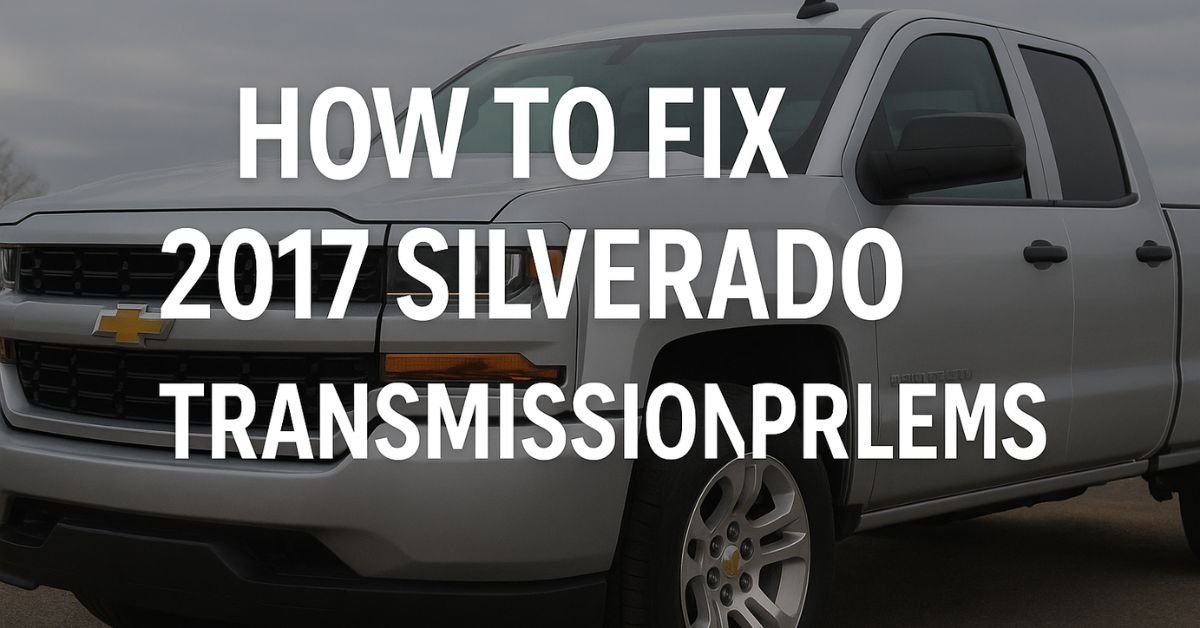
How to Fix 2017 Silverado Transmission Problems
Common Transmission Symptoms in the 2017 Silverado
Before fixing any issue, it’s important to identify what the transmission is doing. Owners of the 2017 Silverado commonly report:
1. Hard or Rough Shifting
You may feel a sudden jolt when the transmission shifts from one gear to another.
2. Delayed Gear Engagement
There may be a pause when shifting into Drive or Reverse before the truck starts moving.
3. Shuddering or Vibrations
Many drivers describe this as a “rumble strip” feeling, especially at low speeds.
4. Slipping Gears
The engine revs, but the truck doesn’t accelerate as it should.
5. Transmission Overheating
This can trigger warning messages or cause the truck to go into limp mode.
Understanding these symptoms helps you determine which repairs or checks are needed.
Step-by-Step: How to Fix 2017 Silverado Transmission Problems
1. Check the Transmission Fluid
Low, dirty, or degraded transmission fluid is one of the top causes of shifting issues.
- Park the truck on level ground.
- Let the engine warm up.
- Pull the transmission dipstick.
- Check fluid color (healthy fluid is typically red, not brown or burnt).
- Ensure the level is within the recommended range.
Fix:
Top up or replace the fluid using DEXRON-VI automatic transmission fluid. If the fluid is burnt or very dark, a complete fluid exchange may be necessary.
2. Reset the Transmission Adaptive Values
The 2017 Silverado uses adaptive learning software that adjusts to your driving habits. If it learns incorrect patterns due to previous issues, it may shift poorly.
A reset can be done using:
- A dealership diagnostic tool
- A professional scan tool
- A qualified mechanic
After the reset, the transmission will relearn proper shifting behavior.
3. Address the Torque Converter Shudder
One of the most widely known issues in GM trucks from this era is torque converter shudder, especially in models with the 8-speed transmission.
Fix Options:
- Flush the transmission with updated fluid
- Replace the torque converter if the shudder continues
- Ensure the latest GM service bulletin updates have been applied
GM has released updated transmission fluid formulas to reduce shudder, so using the correct fluid is crucial.
4. Update or Reflash the Transmission Control Module (TCM)
GM released several software updates to improve shift quality in the 2017 Silverado.
A dealership can:
- Reflash the transmission control module
- Install updated calibrations
- Improve throttle response and shift timing
This is often one of the most effective fixes.
5. Replace the Transmission Filter
A clogged filter restricts fluid flow and causes hard shifting, slipping, or overheating.
Fix:
Replace the transmission filter and gasket. This is usually done during a fluid service and can noticeably improve performance.
6. Inspect the Transmission Cooler
The Silverado relies on an external cooler to maintain proper fluid temperature. A clogged or failing cooler causes overheating issues.
Fix:
Clean or replace the cooler, and check the cooler lines for blockages or leaks.
7. Check for Mechanical Failures
If the above steps do not resolve the problem, the issue may be internal.
Possible failures include:
- Worn clutch packs
- Faulty solenoids
- Damaged valve bodies
- Internal seal leaks
These situations often require a professional transmission shop.
When to Seek Professional Help
If you experience any of the following, it’s best to let a certified technician handle the repair:
- Persistent slipping
- Grinding noises
- Metal shavings in the transmission fluid
- Repeated overheating
- No movement in Drive or Reverse
Ignoring transmission issues can lead to complete failure and expensive repairs.
Final Thoughts
The 2017 Silverado is a strong and dependable truck, but its transmission issues can be frustrating. Fortunately, many problems—such as fluid degradation, adaptive learning errors, or torque converter shudder—can be fixed with routine maintenance, software updates, or basic repairs. By addressing symptoms early and following proper diagnostic steps, you can extend the life of your transmission and keep your Silverado performing smoothly.