
A vehicle’s transmission is one of the most important—and most expensive—components under the hood. It ensures your engine delivers power smoothly to the wheels, allowing your car to shift gears efficiently. But when a transmission starts to fail, it often leads to rough shifting, slipping, overheating, or even complete breakdown. Understanding what causes a transmission to go bad can help you prevent costly repairs and extend the life of your vehicle.
Below are the most common reasons transmissions go bad, along with tips to protect your car from early failure.
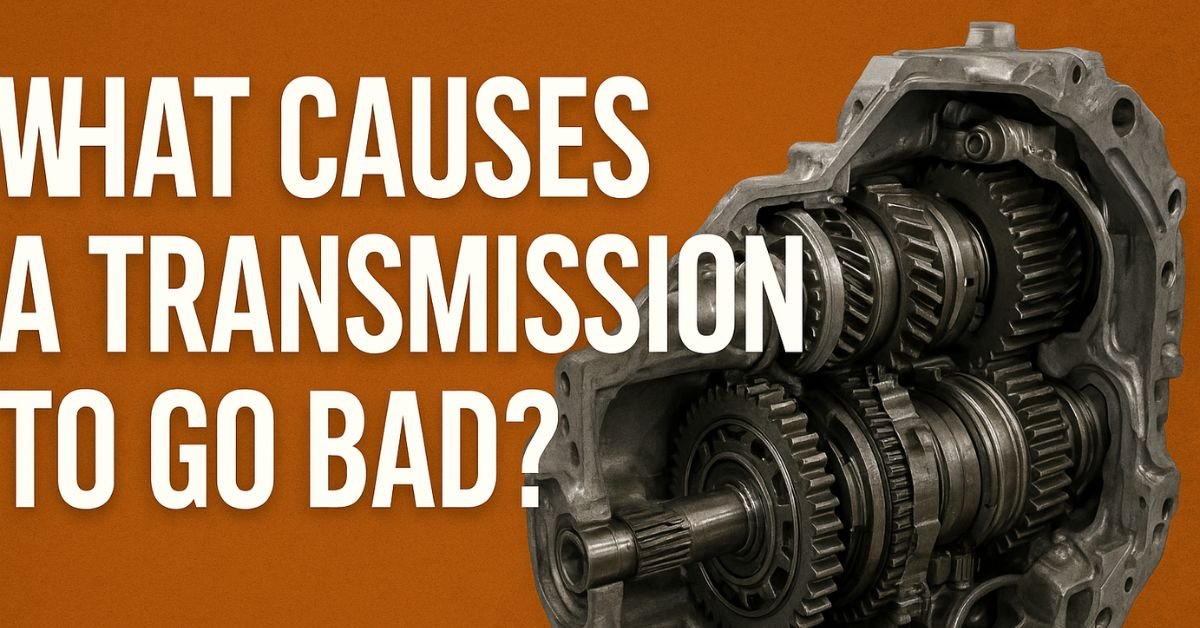
What Causes a Transmission to Go Bad? A Complete Guide for Drivers
1. Low or Contaminated Transmission Fluid
One of the leading causes of transmission failure is low, dirty, or degraded transmission fluid. Hydraulic pressure, cooling, and lubrication are all provided by transmission fluid. Without clean, adequate fluid, friction inside the transmission increases, leading to overheating and part failure.
Common reasons for fluid problems include:
- Leaks from worn seals or gaskets
- Fluid that has not been changed according to maintenance schedules
- Contamination from metal shavings or clutch material
- Incorrect type of transmission fluid used
Why it matters:
Without the proper amount of clean fluid, gears slip, clutches burn out, and internal parts wear down quickly. Over time, this leads to major internal damage.
2. Overheating
Heat is the number one enemy of transmissions. Excessive heat breaks down transmission fluid, causes seals to harden, and leads to internal metal parts wearing out faster.
Causes of transmission overheating include:
- Towing heavy loads
- Driving in hot climates without adequate cooling
- Low transmission fluid
- Aggressive driving
- Blocked transmission cooler lines
Even a temperature increase of 20–30 degrees can significantly shorten the lifespan of your transmission.
3. Normal Wear and Tear
Like any mechanical component, a transmission experiences wear over time. Clutches, gears, and bearings inside the unit naturally weaken from use.
Signs of wear and tear include:
- Difficulty shifting
- Rough or delayed gear engagement
- Unusual noises
High-mileage vehicles commonly suffer from worn clutch packs in automatic transmissions or worn synchronizers in manual transmissions.
4. Driving Habits
How you drive has a big impact on how long your transmission lasts.
Poor driving habits that damage transmissions:
- Hard acceleration
- Sudden stops
- Riding the brakes
- Switching from reverse to drive without stopping
- Not using the correct gear
Aggressive or careless driving forces the transmission to work harder, increasing stress on internal components.
5. Faulty Transmission Solenoids
Automatic transmissions rely on solenoids to control fluid pressure and gear changes. When a solenoid fails, the transmission may slip, shift erratically, or get stuck in a single gear.
Solenoid failure is often caused by:
- Dirty transmission fluid
- Electrical problems
- Internal mechanical wear
6. Neglected Maintenance
Many transmission issues could be avoided with proper maintenance. Unfortunately, transmissions are often neglected because their problems develop slowly.
Common maintenance mistakes include:
- Not checking fluid levels
- Avoiding scheduled fluid changes
- Ignoring early warning signs like slipping or odd noises
Most manufacturers recommend servicing the transmission every 30,000 to 60,000 miles, depending on the vehicle and driving conditions.
7. Using the Incorrect Transmission Fluid
Transmissions are very sensitive to fluid type. Using the wrong fluid—such as mixing ATF types or using non-approved fluid—can cause poor lubrication, overheating, and even catastrophic failure.
Always check your owner’s manual or consult a professional before adding or changing transmission fluid.
8. Mechanical or Electrical Failures
Modern vehicles have complex transmission systems with both mechanical and electronic components. Failures in sensors, computers, wiring, or internal parts can cause the transmission to malfunction.
A few examples:
- Failed torque converters
- Damaged gear sets
- Bad throttle position sensors
- Malfunctioning transmission control modules
Electrical problems often mimic mechanical failures, so proper diagnosis is crucial.
Final Thoughts
A transmission can go bad for many reasons—low fluid, overheating, poor maintenance, worn parts, or faulty electronics. The best way to extend the life of your transmission is to maintain proper fluid levels, drive gently, follow service intervals, and listen for early warning signs. Addressing small issues early can save you thousands of dollars in repairs later.