
When most people think about a car battery, they usually associate it with starting the engine. While that’s true, the battery actually plays a much bigger role in your vehicle’s overall performance. One common question drivers ask is: can a bad battery cause a car to stall? The short answer is yes—but the explanation is a bit more detailed.
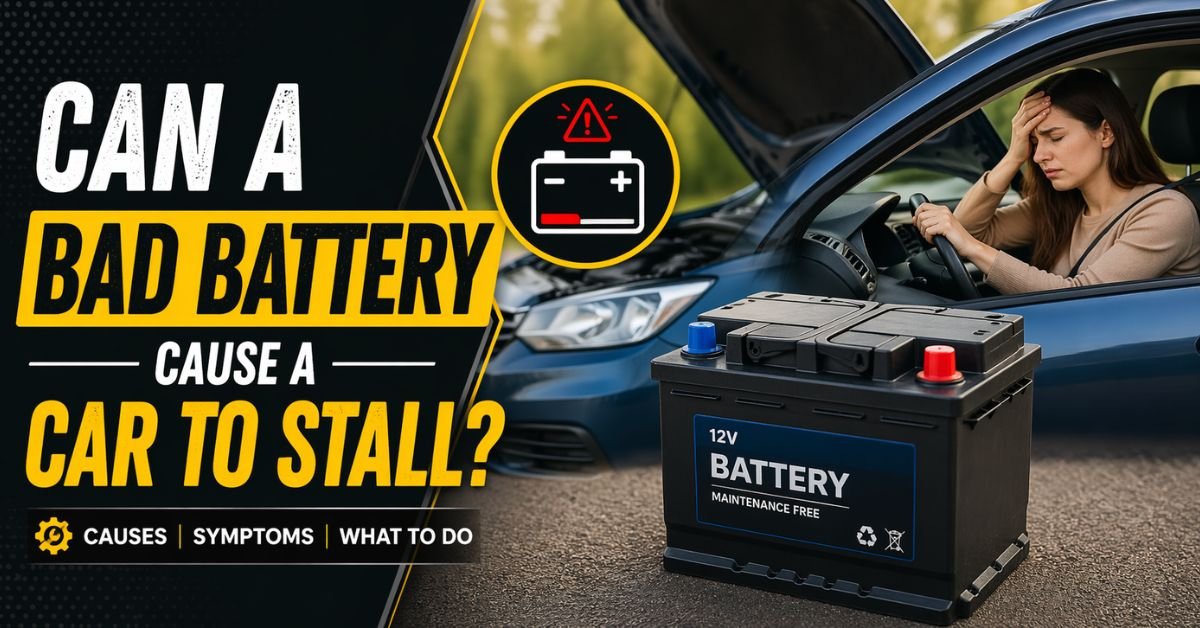
Can a Bad Battery Cause a Car to Stall?
Understanding the Role of a Car Battery
A car battery is responsible for providing electrical power to start the engine and supply energy to various electrical components when the engine is off. Once the engine is running, the alternator takes over and powers the electrical system while also recharging the battery.
However, modern vehicles rely heavily on electronics, including fuel injection systems, sensors, and engine control units (ECUs). This means the battery continues to play a supporting role even after the car has started.
Can a Bad Battery Really Cause Stalling?
Yes, a bad or weak battery can contribute to a car stalling, although it’s not always the direct cause. Here are some ways it can happen:
1. Insufficient Voltage to Critical Systems
If the battery is weak, it may not provide enough voltage to support important systems like the ECU, fuel pump, or ignition system. When these systems don’t receive stable power, the engine may shut off unexpectedly, especially when idling or slowing down.
2. Increased Load on the Alternator
A failing battery forces the alternator to work harder to keep the electrical system running. This extra strain can sometimes lead to inconsistent power delivery. In certain situations—like when braking or stopping—the engine speed drops, and the alternator may not generate enough power, causing the car to stall.
3. Problems During Idle
When your car is idling, the engine runs at a lower RPM. At this point, the alternator produces less electricity. If the battery is weak and cannot support the electrical load, the engine may struggle to stay running and eventually stall.
4. Electronic System Failures
Modern cars depend on sensors and onboard computers. A weak battery can cause erratic behavior in these systems, leading to misfires, poor fuel delivery, or sudden engine shutdown.
Common Symptoms of a Bad Battery
If your car is stalling and you suspect the battery, look out for these signs:
- Slow engine crank when starting
- Dim headlights or flickering interior lights
- Electrical components not working properly
- Warning lights on the dashboard
- The car is hard to start, especially in the morning.
These symptoms often indicate that your battery may be nearing the end of its life.
Must Read: How Many Watts Are in a Car Battery?
Other Possible Causes of Stalling
While a bad battery can contribute to stalling, it’s not always the main culprit. Other common causes include:
- Faulty alternator
- Dirty or failing fuel injectors
- Bad spark plugs
- Malfunctioning sensors
- Vacuum leaks
So, if your car stalls frequently, it’s important to check the entire system rather than assuming the battery is the only issue.
What Should You Do?
If you suspect your battery is causing problems, start with a simple inspection:
- Look for corrosion or loose connections on the battery terminals.
- Test the battery voltage using a multimeter.
- Visit a mechanic or auto shop for a professional battery and charging system test.
If the battery is old (typically over 3–5 years), replacing it might solve the issue. However, if the problem persists, you should have the alternator and other components checked.
Final Thoughts
A bad battery can indeed cause a car to stall, especially in modern vehicles that rely heavily on electronics. While it may not always be the direct cause, it can create conditions that lead to stalling—particularly during low engine speeds or when electrical demand is high.
The secret is to pay attention to early warning indicators. Addressing battery issues promptly can save you from unexpected breakdowns and more expensive repairs down the road.