
Batteries power countless devices in our daily lives—from remote controls and smartphones to cars and emergency equipment. But one common question many people ask is: do batteries go out of date? The short answer is yes, batteries do have a shelf life. However, the full explanation is more nuanced and depends on the type of battery, how it is stored, and how often it is used.
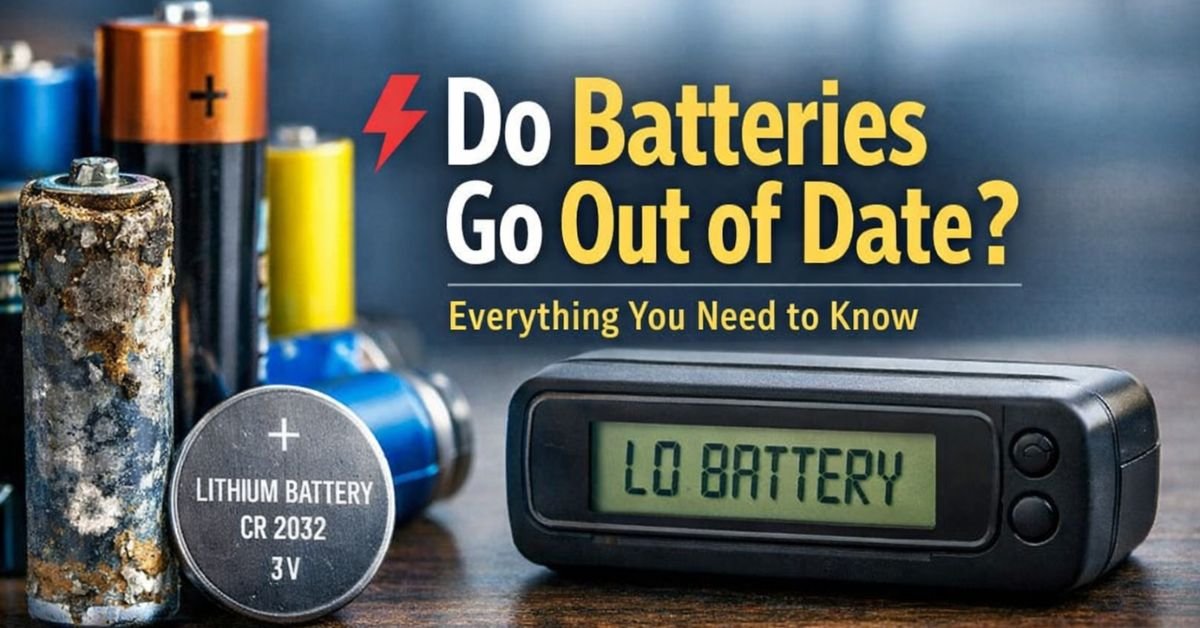
Do Batteries Go Out of Date? Everything You Need to Know
Understanding Battery Expiration Dates
Most batteries come with an expiration date printed on the packaging or the battery itself. This date doesn’t mean the battery will suddenly stop working after that day. Instead, it indicates the period during which the manufacturer guarantees optimal performance.
Over time, batteries naturally lose their ability to hold a charge due to internal chemical reactions. Even if a battery is not used, these reactions continue slowly, leading to gradual energy loss. This process is known as self-discharge.
Why Batteries Expire
Batteries generate power through chemical reactions. As time passes, these chemicals degrade, reducing the battery’s capacity. Several factors contribute to this:
- Chemical breakdown: The materials inside the battery deteriorate over time.
- Self-discharge: Even while not in use, batteries gradually lose their charge.
- Environmental conditions: Heat, humidity, and improper storage can accelerate degradation.
Because of these factors, all batteries—whether disposable or rechargeable—eventually become less effective.
Shelf Life of Different Battery Types
The rate at which batteries age varies. Here’s a breakdown of common types:
1. Alkaline Batteries
Alkaline batteries (like AA or AAA) typically last 5 to 10 years when stored properly. They have a relatively low self-discharge rate, making them ideal for long-term storage.
2. Lithium Batteries
Lithium batteries often have a longer shelf life, sometimes 10 to 15 years. They are commonly used in high-performance devices and emergency equipment because they hold their charge well over time.
3. Rechargeable Batteries
Rechargeable batteries, such as lithium-ion or nickel-metal hydride (NiMH), have a shorter shelf life—usually 3 to 5 years. They lose capacity gradually, especially if left unused for long periods.
Signs a Battery Has Expired
Even if you don’t check the expiration date, there are several signs that a battery may no longer be usable:
- Devices fail to turn on or lose power quickly
- Batteries feel unusually warm
- Leakage or corrosion is visible
- Reduced performance compared to new batteries
It is advisable to replace the battery right away if you observe any of these problems.
Must Read: Will a Bad Starter Drain a Battery?
Can Expired Batteries Still Be Used?
In many cases, expired batteries can still work—but with reduced efficiency. For low-drain devices like clocks or remote controls, they might still provide some power. However, for high-drain devices such as cameras or medical equipment, using expired batteries is not recommended.
Additionally, older batteries are more prone to leaking, which can damage your devices. So while it may be tempting to use them, it’s often safer to replace them.
How to Extend Battery Life
Proper storage can significantly extend the life of your batteries. Here are some useful tips:
- Store in a cool, dry place: Avoid high temperatures and humidity.
- Keep them in original packaging: This prevents contact with metal objects that could cause discharge.
- Avoid refrigeration unless recommended: Extreme cold can sometimes harm batteries.
- Use older batteries first: Rotate your stock to prevent long-term storage.
Disposal of Expired Batteries
Expired batteries should not simply be thrown in the trash, especially rechargeable or lithium types. They can be harmful to the environment and may pose safety risks.
Instead, look for local recycling centers or battery collection programs in your area. Safe disposal solutions are available in many towns and electronics businesses.
Final Thoughts
So, do batteries go out of date? Absolutely. While they don’t stop working overnight, their performance gradually declines over time due to chemical degradation and self-discharge. Understanding battery shelf life and proper storage can help you get the most out of your batteries and avoid unexpected failures.
By paying attention to expiration dates and handling batteries correctly, you can ensure your devices stay powered when you need them most.