
An essential component of your car’s braking system is brake fluid. It transfers pressure from your brake pedal to the brakes, allowing your car to slow down and stop safely. When everything is working properly, brake fluid stays sealed inside the system. However, many car owners wonder: does brake fluid leak when a car is off? The short answer is yes, it can—and understanding why is important for your safety and your vehicle’s health.
Let’s explore how brake fluid leaks happen, what causes them, and what you should do if you notice one.
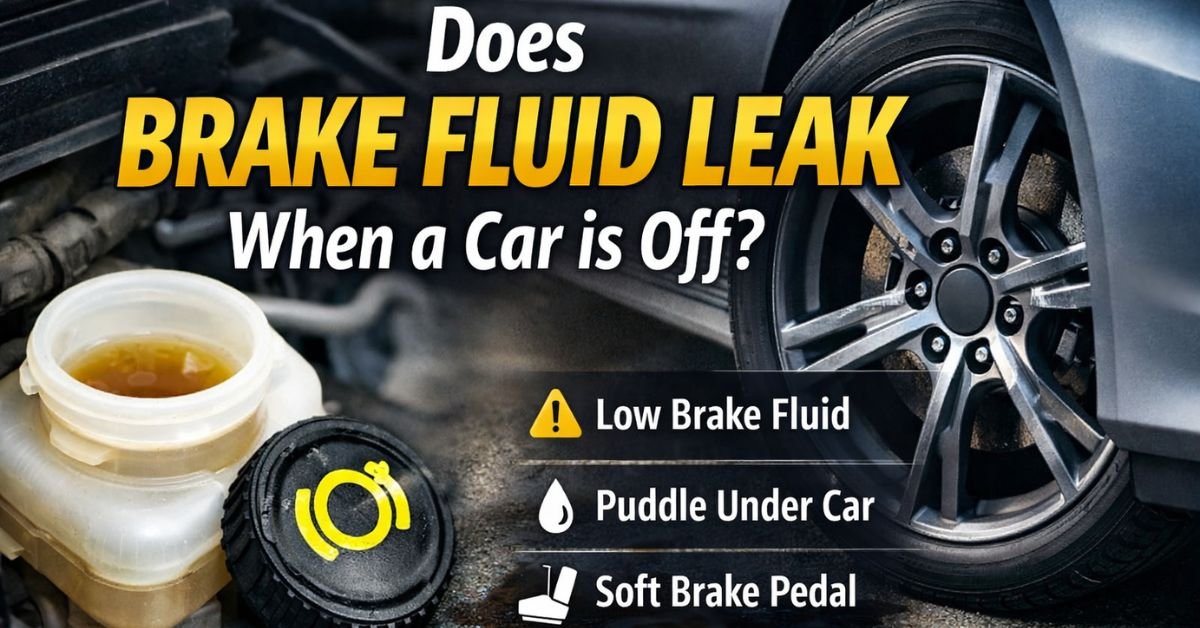
Does Brake Fluid Leak When a Car Is Off?
Is it possible for brake fluid to leak while the car is off?
Yes, brake fluid can leak even when your car is turned off. The braking system remains pressurized and sealed at all times, whether the engine is running or not. If there is damage, wear, or corrosion in any part of the system, brake fluid may slowly escape.
Unlike fuel or engine oil, brake fluid doesn’t rely on the engine to circulate. It sits in the brake lines, master cylinder, and calipers under constant pressure. So if there’s a weak spot, fluid can leak out at any time—day or night.
Common Causes of Brake Fluid Leaks
Several parts of your braking system can develop leaks over time. Here are the most common causes:
1. Worn Brake Lines
Brake lines carry fluid from the master cylinder to the brakes. These metal or rubber lines can crack, rust, or deteriorate with age. Road salt, moisture, and debris can speed up corrosion, especially in older vehicles.
2. Damaged Brake Hoses
Flexible rubber hoses connect the brake lines to the wheels. Over time, they can dry out, swell, or crack. When this happens, brake fluid may slowly seep out, even when the car is parked.
3. Faulty Master Cylinder
Brake fluid flow is managed by the master cylinder. Fluid may leak both internally and outside if its internal seals fail. Fluid loss can result from a master cylinder leak even in the absence of visible puddles on the ground.
4. Leaking Brake Calipers or Wheel Cylinders
Brake calipers (in disc brakes) and wheel cylinders (in drum brakes) contain pistons that push the brakes against the wheels. Worn seals in these components can allow fluid to leak near the tires.
5. Loose or Damaged Fittings
Sometimes, leaks happen because fittings or connections are loose. Vibration and temperature changes can weaken these joints over time.
Signs of a Brake Fluid Leak
A brake fluid leak is dangerous and should never be ignored. Here are some common warning signs:
Soft or Spongy Brake Pedal
If your brake pedal feels soft, mushy, or sinks to the floor, it could mean fluid is leaking.
Brake Warning Light
Many vehicles have a brake system warning light that turns on when fluid levels are low.
Puddles Under the Car
Brake fluid is usually clear, yellowish, or light brown and feels slippery. If you see wet spots near your wheels or under the engine bay, it may be brake fluid.
Low Brake Fluid Level
Checking the reservoir under the hood can help. If the level keeps dropping, you likely have a leak.
Reduced Braking Performance
If your car takes longer to stop or feels unsafe while braking, fluid loss may be the cause.
Why Brake Fluid Leaks Are Dangerous
Brake fluid leaks are more than just an inconvenience—they are a serious safety risk. Without enough fluid, your brakes cannot generate proper pressure. This can lead to:
- Longer stopping distances
- Brake failure
- Loss of control
- Increased accident risk
In severe cases, a complete brake failure can occur, making it impossible to stop your car properly.
Can Temperature Affect Brake Fluid Leaks?
Yes, temperature changes can sometimes make leaks more noticeable. When it’s hot, brake fluid expands, which may push more fluid through weak seals. In cold weather, rubber parts can shrink and crack, creating new leaks.
This means you might notice leaks more often after seasonal changes, even when the car hasn’t been driven.
Must Read: Do You Need to Bleed the Brakes When Changing Pads?
What Should You Do If You Suspect a Leak?
If you think your brake fluid is leaking, take action immediately:
1. Check the Fluid Level
Examine the brake fluid reservoir by opening the hood. If it’s low, do not ignore it.
2. Look for Visible Leaks
Check around the wheels, under the car, and near the firewall for wet spots.
3. Avoid Driving If Possible
Driving with leaking brakes is risky. If braking feels weak, it’s safer to have the car towed.
4. Visit a Mechanic
A professional mechanic can inspect the system, locate the leak, and repair it properly.
How to Prevent Brake Fluid Leaks
Regular maintenance can help prevent leaks:
- Have your brakes inspected yearly
- Replace old hoses and lines
- Keep the brake fluid clean and at proper levels
- Follow manufacturer service schedules
- Address warning lights promptly
Preventive care is much cheaper and safer than dealing with brake failure.
Conclusion
So, does brake fluid leak when a car is off? Yes, it can. A leaking brake system doesn’t depend on the engine running. Cracked hoses, worn seals, corroded lines, and damaged components can allow fluid to escape at any time.
Because brakes are essential for your safety, even a small leak should be taken seriously. If you notice low fluid levels, soft pedals, warning lights, or puddles under your car, don’t delay. Getting the problem fixed early can save money, protect your vehicle, and—most importantly—keep you safe on the road.