
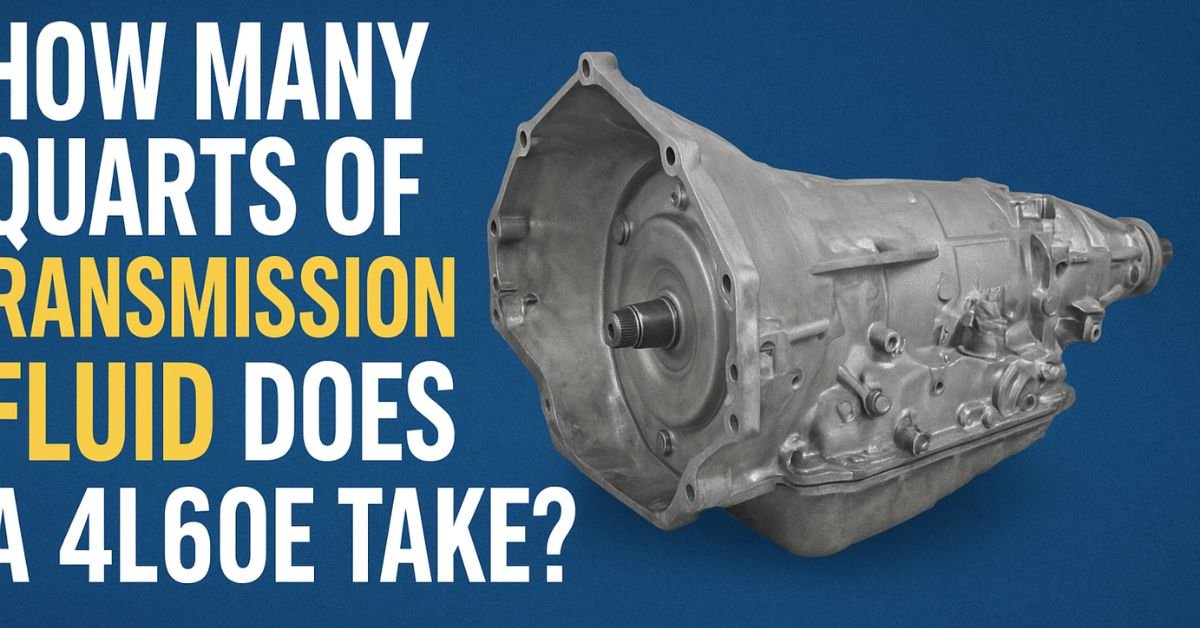
The GM 4L60E transmission is one of the most widely used automatic transmissions in trucks, SUVs, and performance cars from the 1990s through the early 2010s. Known for its reliability, easy serviceability, and strong aftermarket support, it remains popular among DIY mechanics and automotive enthusiasts. One of the most common questions owners ask is: How many quarts of transmission fluid does a 4L60E take?
The answer depends on the type of service being performed—because completely emptying a transmission is not the same as simply dropping the pan. Below is a detailed breakdown of fluid capacities, along with tips for checking and maintaining fluid levels to ensure your 4L60E runs smoothly for years.
How Much Transmission Fluid Does a 4L60E Require in Quarts?
4L60E Transmission Fluid Capacity Overview
The total fluid capacity of a 4L60E transmission varies depending on whether you’re performing a pan drop, a complete rebuild, or a full system flush. Here’s a quick reference:
1. Pan Drop Only: 5–7 Quarts
A standard transmission service—also known as a fluid and filter change—usually removes 5 to 7 quarts of ATF.
This is because much of the fluid remains inside the torque converter and cooler lines during a basic service.
2. Complete Refill (Dry Fill): 11–12 Quarts
If the transmission has been completely drained, rebuilt, or replaced, it will require 11 to 12 quarts to fill it from empty.
This is the maximum fluid capacity of the 4L60E system, including:
- Torque converter
- Valve body
- Cooler lines
- Transmission pan
3. Full Fluid Exchange / Flush: 12–14 Quarts
A professional fluid exchange machine may use 12 to 14 quarts to fully replace old, contaminated fluid.
This process ensures fresh ATF circulates throughout the entire system.
Which Fluid Should You Use in a 4L60E?
GM recommends DEXRON III for older 4L60E units and DEXRON VI for newer models or as an upgrade.
DEXRON VI is backward-compatible and offers:
- Lower viscosity for smoother shifting
- Improved oxidation resistance
- Better high-temperature performance
- Longer fluid life
Most mechanics prefer DEXRON VI for all 4L60E transmissions unless otherwise specified.
How to Check 4L60E Transmission Fluid Levels
Proper fluid level inspection helps avoid transmission slip, overheating, or premature wear. Follow these steps:
- Start the machine and let it reach normal operating temperature.
- Keep the vehicle parked on a level surface.
- Shift through all gears slowly, then leave the vehicle in Park.
- Pull the transmission dipstick, wipe it clean, reinsert, and pull again.
- The fluid should appear between the HOT marks.
If the fluid is below the recommended line, add ATF in small amounts to avoid overfilling.
Why Fluid Capacity Matters
Maintaining the correct fluid level is essential for the health of your 4L60E. Too little fluid can cause:
- Slipping
- Hard shifts
- Overheating
- Delayed engagement
- Internal wear
Too much fluid causes aeration (foaming), which can lead to similar problems. A balanced level ensures proper hydraulic pressure and cooling.
Signs Your 4L60E May Need a Fluid Change
If you’re unsure whether it’s time to change your ATF, look for these symptoms:
- Dark, burnt-smelling fluid
- Sluggish or erratic shifting
- Shuddering during acceleration
- Transmission temperature running hot
- Visible leaks at the pan or cooler lines
Most manufacturers recommend changing transmission fluid every 30,000 to 60,000 miles, depending on usage. Heavy towing or frequent stop-and-go driving may require more frequent service.
Final Thoughts
So, how many quarts does a 4L60E take?
The answer depends on your service method:
- Pan Drop: 5–7 quarts
- Dry Fill (Empty Transmission): 11–12 quarts
- Full Fluid Exchange: 12–14 quarts
Using the right amount of high-quality ATF—preferably DEXRON VI—is key to keeping your 4L60E transmission running strong for the long term.