
Your vehicle’s braking system is one of the most important safety components on the road. Whether you drive daily for work, long-distance travel, or occasional errands, properly functioning brakes are essential for protecting both you and others. However, many drivers overlook brake maintenance until they hear unusual noises or experience reduced stopping power. Understanding how often you should have your brakes checked can help prevent costly repairs and, more importantly, avoid dangerous situations.
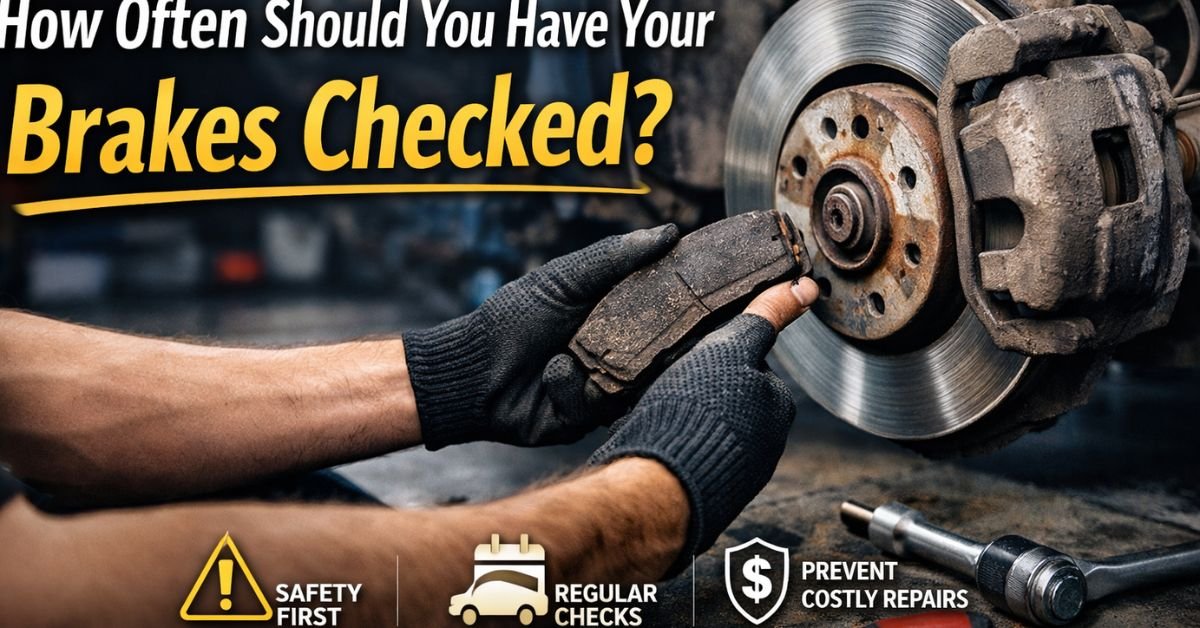
How Often Should You Have Your Brakes Checked?
Why Regular Brake Inspections Matter
Brakes naturally wear down over time because they rely on friction to stop your vehicle. Every time you press the brake pedal, components such as brake pads, rotors, and calipers experience stress and gradual wear. Without regular inspection, small issues can quickly turn into major mechanical failures.
Routine brake checks help ensure:
- Safe stopping performance
- Even brake wear
- Reduced repair costs
- Longer lifespan of braking components
- Improved driving confidence
Ignoring brake maintenance may lead to reduced braking efficiency or unexpected failure, especially during emergency stops.
Recommended Brake Inspection Frequency
Most automotive experts recommend having your brakes inspected at least once every 10,000 to 15,000 kilometers (6,000 to 9,000 miles) or during every regular service appointment. For many drivers, this usually means checking the brakes every six months or during routine oil changes.
However, inspection frequency can vary depending on several factors:
1. Driving Habits
If you frequently drive in heavy traffic, urban areas, or mountainous roads, your brakes will wear faster due to constant stopping and starting. Aggressive braking also accelerates brake pad wear.
Drivers who regularly commute in city conditions should consider brake inspections more often than highway drivers.
2. Vehicle Type
Heavier vehicles such as SUVs, pickup trucks, or vehicles carrying frequent loads place additional stress on braking systems. These vehicles may require more frequent inspections compared to smaller cars.
3. Driving Environment
Environmental conditions also play a role in brake wear:
- Dust and sand can affect brake performance
- Humid or coastal climates may cause corrosion
- Extreme heat increases component wear
Regular inspections help detect these issues early.
Signs Your Brakes Need Immediate Checking
Even if your next scheduled inspection is months away, certain warning signs mean you should check your brakes immediately:
- Squealing or grinding noises when braking
- Vibrations or shaking in the steering wheel
- Soft or spongy brake pedal
- Vehicle pulling to one side when stopping
- Increased stopping distance
- Brake warning light on dashboard
These symptoms often indicate worn brake pads, damaged rotors, or brake fluid problems that require professional attention.
Must Read: How Long Will 4mm Brake Pads Last?
What Happens During a Brake Inspection?
A professional brake inspection typically includes checking several important components:
- Brake pads and shoes for thickness and wear
- Brake rotors and discs for damage or uneven surfaces
- Brake fluid level and condition
- Calipers and brake lines for leaks or faults
- Overall braking response and performance
Technicians may also clean brake components and recommend replacements if necessary.
Preventive Maintenance Tips
In addition to scheduled inspections, drivers can extend brake life by practicing smart driving habits:
- Avoid sudden or hard braking whenever possible
- Maintain safe following distance
- Reduce vehicle overload
- Downshift when driving downhill instead of constant braking
- Follow your manufacturer’s maintenance schedule
These simple habits reduce unnecessary stress on your braking system.
The Cost of Delaying Brake Checks
Many drivers postpone brake inspections to save money, but this often leads to higher repair costs later. Replacing worn brake pads is relatively inexpensive, while ignoring them can damage rotors or calipers — significantly increasing repair expenses.
Regular brake checks are a small investment compared to the cost of accidents or major mechanical repairs.
Final Thoughts
So, how frequently should your brakes be inspected? As a general rule, schedule a brake inspection every six months or every 10,000–15,000 kilometers, and immediately whenever you notice unusual braking behavior. Preventive maintenance not only improves vehicle performance but also ensures the safety of everyone on the road.
Your brakes are your vehicle’s first line of defense — keeping them in excellent condition should always be a top priority.