
When you walk out to your driveway and notice a mysterious puddle under your vehicle, it’s completely normal to feel a bit of panic. Cars rely on several different fluids, and each one has its own purpose and warning signs. One of the most important — and often most misunderstood — is transmission fluid. If you’re asking “What color is a transmission fluid leak?” you’re already taking the first step toward protecting your vehicle from potentially expensive damage.
Transmission fluid is the lifeblood of both automatic and CVT transmissions. It lubricates moving parts, cools the system, provides hydraulic pressure, and ensures smooth gear shifting. When it leaks, your transmission is at risk — and identifying the color of the leak is the key to catching the problem early.
Below, we’ll break down the color of transmission fluid, how it changes over time, what different colors mean, and how to confirm whether the leak is truly from your transmission.
What Color Is a Transmission Fluid Leak? A Complete Guide for Car Owners
What Color Is Transmission Fluid?
Fresh, healthy transmission fluid is usually easy to recognize. The most common colors include:
✅ Bright Red
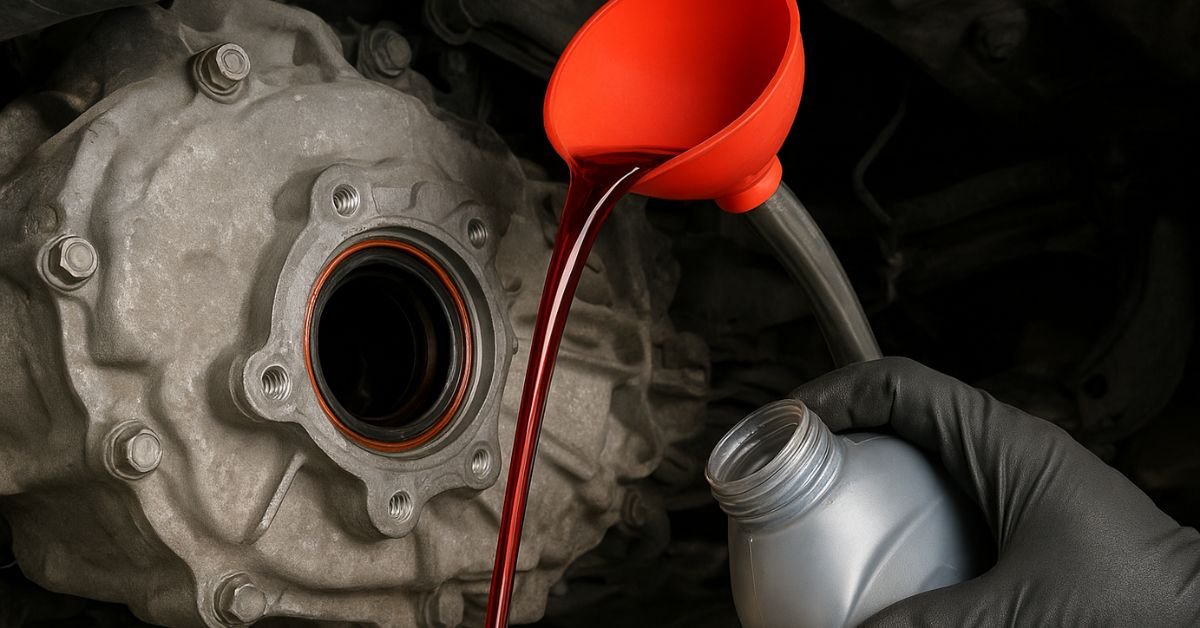
This is the standard color for new or well-maintained transmission fluid. Bright red fluid indicates that the fluid is clean, rich in additives, and functioning properly. If you see a bright red leak on the ground, it almost certainly means your transmission system has a leak somewhere.
✅ Dark Red
As transmission fluid gets older, it naturally begins to darken. A dark red color means the fluid has been used for some time but is still generally in acceptable condition. A leak of dark red fluid still signals a transmission issue, but it may also be time to replace the old fluid.
What If the Transmission Fluid Is Brown or Black?
Transmission fluid doesn’t stay red forever. Over time, heat, friction, and contamination break it down. When it leaks and appears brown or dark brown, it means:
⚠️ Brown Fluid
Slightly brown fluid indicates aging fluid that is beginning to oxidize. It’s still doing its job, but it should be changed soon.
❗ Dark Brown or Black Fluid
Very dark fluid often smells burnt. This is a sign of:
- overheated transmission
- worn clutch materials
- degraded internal components
- severe lack of maintenance
If black or burnt-smelling fluid is leaking, the transmission may already be suffering internal damage and needs inspection immediately.
What Other Colors Might You See?
While transmission fluid is usually red-based, there are a few exceptions:
🟣 Purple Transmission Fluid
Some aftermarket and synthetic transmission fluids come in a purple shade. Purple leaks are still transmission-related and should be checked promptly.
🟡 Yellow or Green Fluid
If you see yellow, green, or even blueish fluid, that is NOT transmission fluid. These colors are almost always engine coolant. Many drivers mistake coolant for transmission fluid, so check the smell and location of the leak. Coolant has a sweet smell, while transmission fluid has an oily, slightly sweet but chemical scent.
How to Confirm the Leak Is Transmission Fluid
Color is the biggest clue, but not the only one. Transmission fluid leaks tend to occur around:
- between engine and transmission
- transmission pan
- axle seals
- cooler lines
- near front of car for CVT or automatic transmissions
Additional characteristics:
- Texture: slippery, oily, smooth
- Smell: slightly sweet, sometimes burnt
- Location: usually under the middle or front of the vehicle
If the leak puddle is red, brown, or purple — and smells like oil — it’s very likely transmission fluid.
Why Transmission Fluid Leaks Are Serious
Even a small transmission leak should never be ignored. Transmission systems require a constant level of fluid to operate. When fluid levels drop:
- shifting becomes rough
- transmission overheats
- slipping gears begin
- internal components wear out faster
- total transmission failure becomes possible
Repairing a small leak is affordable. Replacing a transmission? Not so much.
How to Handle a Transmission Fluid Leak
- Identify the color — red or brown typically indicates transmission fluid.
- Check fluid levels using the dipstick if your car has one.
- Do not drive long distances with low or leaking fluid.
- Schedule a mechanic inspection as soon as possible.
- Fix the root cause, whether it’s a worn gasket, loose pan, seal failure, or cracked fluid line.
Prompt action can save your transmission from serious damage.
Final Thoughts
Transmission fluid leaks can be alarming, but the color of the leak gives you valuable information about the health of your vehicle. Fresh transmission fluid is bright red, moderately used fluid is dark red, and burnt or old fluid turns brown or black. Any of these colors on the ground means you likely have a transmission leak that needs attention.
By recognizing the signs early and addressing leaks promptly, you can extend the life of your transmission and keep your vehicle running smoothly.