
When most people think of transmission fluid, they usually picture an automatic transmission. Because automatic vehicles rely heavily on hydraulic pressure, fluid is essential for shifting, cooling, and lubrication. But what about manual transmissions? Many car owners wonder whether manuals need fluid at all, and if they do, how often it needs changing. The short answer is yes — manual transmissions absolutely need fluid, and keeping it in good condition is crucial for long-term performance.
In this blog post, we’ll break down why manual transmissions need fluid, what type they use, how often to change it, and the signs that your manual gearbox might be low on fluid.
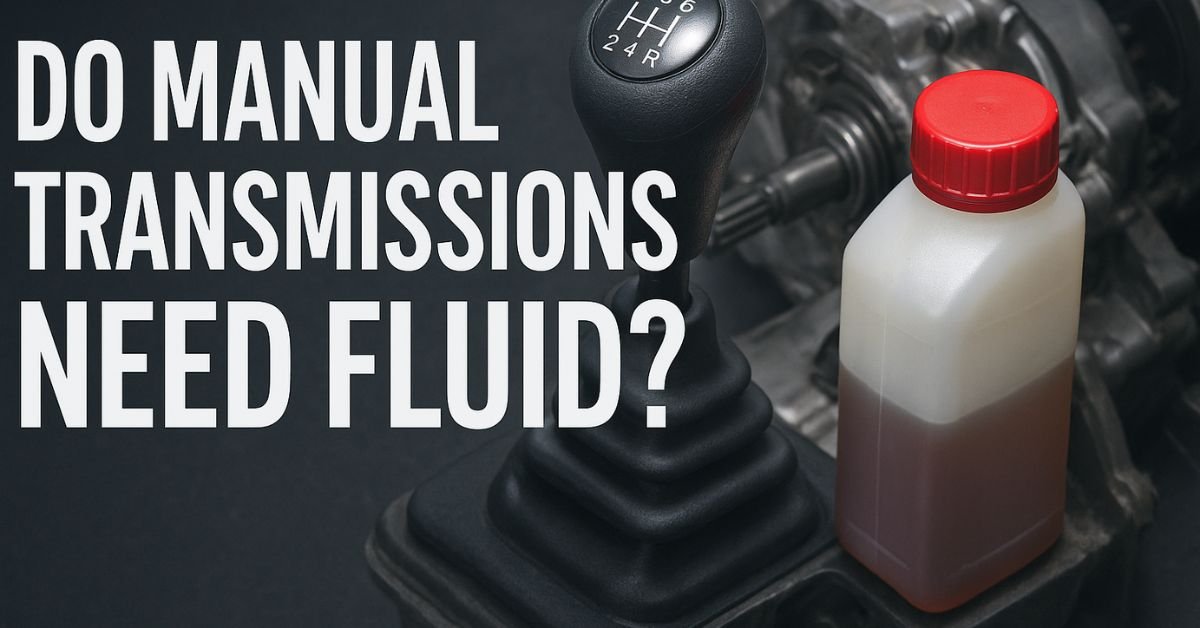
Do Manual Transmissions Need Fluid? Understanding How It Works and Why It Matters
Why Manual Transmissions Need Fluid
Even though manual transmissions are mechanically simpler than automatics, they still rely on many moving parts that mesh and rotate at high speeds. Inside a manual gearbox, you’ll find gears, shafts, bearings, synchronizers, and other components that generate friction and heat.
Transmission fluid in a manual gearbox serves three important functions:
1. Lubrication
The gears inside a manual transmission are made of hardened metal. When they engage, they create friction. Without proper lubrication, these components would grind, wear down quickly, and eventually fail. Fluid creates a thin protective film that keeps everything moving smoothly.
2. Cooling
The more friction inside the gearbox, the more heat builds up. Manual transmission fluid helps carry heat away from the spinning gears and out to the case, where it can dissipate. Without it, temperatures could rise enough to cause damage or even seize the transmission.
3. Protection Against Wear and Corrosion
Good transmission fluid includes additives that reduce wear and prevent rust or corrosion inside the gearbox. If the fluid becomes old or contaminated, these additives lose effectiveness, leading to premature wear.
So yes — manual transmissions absolutely need fluid, just like engines need oil.
What Type of Fluid Does a Manual Transmission Use?
Unlike automatics, manual transmissions can use different types of fluids, depending on the vehicle design. The most common options include:
- Manual Transmission Fluid (MTF) – specifically engineered for manual gearboxes.
- Gear Oil (like 75W-90) – thicker and designed for heavy-duty lubrication.
- Automatic Transmission Fluid (ATF) – some manual transmissions, especially older or unique designs, actually use ATF for smoother shifting.
Your vehicle’s owner’s manual or manufacturer’s specifications will always tell you exactly what to use. Never assume — using the wrong fluid can cause grinding, hard shifting, or damage.
How Often Should You Change Manual Transmission Fluid?
Manual transmissions don’t need fluid changes as frequently as automatics, but they still require periodic service. On average, most manufacturers recommend changing the fluid every:
30,000 to 60,000 miles (48,000–96,000 km)
However, driving conditions can shorten this interval:
- Towing
- Aggressive driving
- Off-roading
- High-mileage or older vehicles
- Hot climate areas
Fresh fluid ensures smooth gear engagement, protects internal parts, and prevents costly repairs later.
Signs Your Manual Transmission May Be Low on Fluid
Since manual transmissions don’t have dipsticks like automatics, you must rely on symptoms to detect low fluid. Some common signs include:
1. Hard Shifting
Difficulty getting into gear or grinding when shifting often means there’s not enough lubrication.
2. Gear Noise or Whining
A whining or humming sound usually means the gears or bearings are running dry.
3. Fluid Leaks
Any red, brown, or amber-colored oil under the car could be transmission fluid.
4. Burning Smell
Low fluid leads to overheating, which may cause a burnt oil smell.
If you notice any of these symptoms, it’s important to check the transmission fluid level or have a mechanic inspect it.
What Happens If You Don’t Change Manual Transmission Fluid?
Ignoring manual transmission fluid can lead to:
- Worn synchronizers
- Grinding gears
- Overheating
- Metal shavings in the fluid
- Costly gearbox rebuilds
Manual transmissions are known for lasting a long time — often well over 150,000 miles — but only if they’re maintained properly. Fresh fluid plays a major role in that longevity.
Conclusion
Manual transmissions may not rely on hydraulic pressure like automatics, but they absolutely require fluid to stay lubricated, cool, and protected. Whether your gearbox uses gear oil, MTF, or ATF, keeping the fluid clean and at the right level is essential.
Servicing a manual transmission isn’t difficult or expensive, but neglecting it can lead to major repairs. If you want your manual car to shift smoothly and last for many years, the answer is clear: yes, manual transmissions need fluid — and taking care of it matters.