
Owning a classic like the 1978 Corvette is a source of pride, but keeping it on the road means understanding how to deal with common aging-related issues. One of the most frequent problems owners encounter is a leaking transmission seal. Over time, rubber seals harden, crack, or fail, allowing transmission fluid to escape. If not addressed early, the leak can lead to low fluid levels, slipping gears, and even major transmission damage. Luckily, replacing the transmission seal on a 1978 Corvette is a manageable job whether you’re a seasoned DIY mechanic or a careful weekend hobbyist.
In this guide, you’ll learn how to identify a failing transmission seal, the tools you’ll need, and the step-by-step process for replacing it properly.
How to Replace a Transmission Seal on a 1978 Corvette
Symptoms of a Bad Transmission Seal
Before beginning the repair, it’s important to confirm that the seal is the issue. Common symptoms include:
- Red or brown puddles under the car, usually near the transmission.
- Low transmission fluid levels even after refilling.
- Transmission slipping while driving due to fluid loss.
- Burning smell, caused by fluid leaking onto exhaust components.
- Visible fluid on the driveshaft yoke (rear seal failure).
If you see any of these signs, it’s likely time to replace the seal.
Which Seal Needs Replacing?
The 1978 Corvette typically develops leaks from one of these two seals:
- Rear Output Shaft Seal – Located at the tail housing of the transmission where the driveshaft enters. This is the most common leak.
- Front Pump Seal – Located behind the torque converter. This repair requires removing the transmission completely.
This guide focuses on the rear output shaft seal, since it’s the most common and the easiest to replace without removing the entire transmission.
Tools and Supplies You’ll Need
To replace the transmission seal on your ’78 Corvette, gather these items:
- Jack and jack stands
- Socket set
- Pry bar or seal puller
- Hammer
- New output shaft seal
- Transmission fluid (Dexron II or equivalent)
- Torque wrench
- Drain pan
- Safety gloves and glasses
- Shop rags
Step-by-Step Guide to Replacing the Transmission Seal
1. Get the Car Safely in the Air
Park the Corvette on level ground and allow the exhaust to cool. Use a floor jack to lift the rear of the vehicle, then install jack stands to secure it. Safety should always come first.
2. Remove the Driveshaft
Place a drain pan under the transmission tail housing. Remove the bolts that secure the driveshaft to the differential yoke. Slide the driveshaft forward slightly, then pull it out of the transmission. Transmission fluid may drip—this is normal.
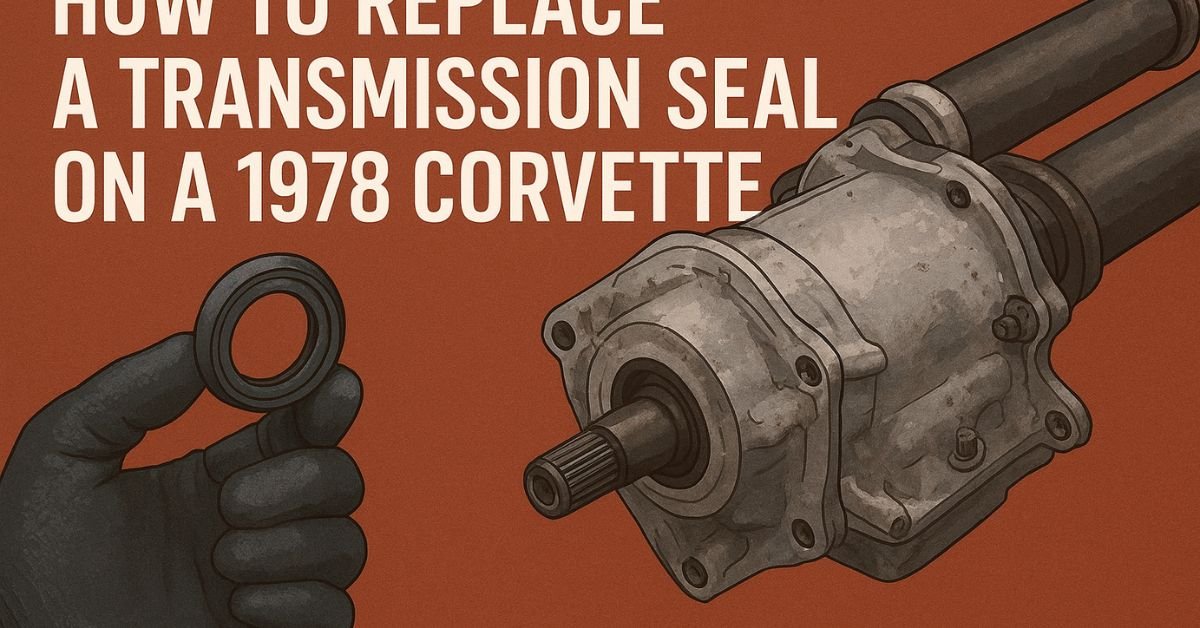
3. Remove the Old Seal
Once the driveshaft is out, you’ll see the circular seal at the end of the transmission tail housing. Using a seal puller or pry bar, gently pop the seal out. Be careful not to scratch the housing surface, as this can cause future leaks.
4. Clean the Area Thoroughly
Use a clean rag to wipe away old fluid and debris from the sealing surface. A clean working area ensures a proper fit for the new seal.
5. Install the New Seal
Apply a light coat of fresh transmission fluid to the inner lip of the new seal. Position it carefully and tap it in using a hammer and a seal driver or flat piece of wood. Ensure it seats evenly and flush with the housing.
6. Reinstall the Driveshaft
Slide the driveshaft back into the transmission tail housing. Align it with the rear differential yoke and tighten the bolts to factory torque specifications.
7. Refill Transmission Fluid
Check the fluid level using the dipstick and add the appropriate Dexron-type fluid until it reaches the proper mark.
8. Test for Leaks
Start the engine, shift through the gears, and let the Corvette idle. Check underneath for any signs of a fresh leak. Take a short drive and inspect again.
Final Thoughts
Replacing a transmission seal on a 1978 Corvette is one of the more straightforward maintenance tasks you can perform on this classic car. With the right tools and a little patience, you can stop leaks, protect your transmission, and keep your Corvette running smoothly for years to come. Regular inspections and prompt repair of leaks will help avoid more expensive issues down the line.