
If your vehicle’s transmission is failing, replacing or installing a new one can feel like a major project — and it is. The transmission is one of the most complex components of any car, responsible for transferring power from the engine to the wheels. Because of its size, weight, and intricate system of gears, sensors, and fluid passages, installing a transmission takes time, skill, and precision. But how long does it actually take to install a transmission? The answer depends on several key factors, including the type of vehicle, the kind of transmission, and the mechanic’s experience.
How Long Does It Take to Install a Transmission?
Average Time to Install a Transmission
On average, a professional mechanic can replace or install a transmission in 4 to 10 hours. However, this time frame can vary widely:
- Manual transmissions often take between 4 to 8 hours to install.
- Automatic transmissions tend to take 6 to 10 hours due to added complexity, such as transmission fluid lines, torque converters, and electronic connections.
- Continuously Variable Transmissions (CVTs), found in many modern cars, can take 8 to 12 hours since they require specialized tools and more intricate calibration.
These are just averages — some installations can be completed faster, while others may stretch into a full day or more.
Factors That Affect Installation Time
- Vehicle Make and Model
Different cars have different designs. A compact car with a front-wheel-drive setup may have easier transmission access than a heavy-duty truck or luxury SUV. Some models require removing additional parts, like subframes or exhaust systems, which can add several hours to the job. - New vs. Rebuilt Transmission
Installing a brand-new transmission usually goes faster than installing a rebuilt or remanufactured one, since rebuilt transmissions might need extra adjustments or fine-tuning to fit correctly. - Shop Equipment and Experience
A well-equipped repair shop with transmission jacks, lifts, and diagnostic tools can complete the job more efficiently. Likewise, an experienced transmission specialist will naturally work faster and with fewer complications than a general mechanic who only handles transmissions occasionally. - Condition of Related Parts
Sometimes, other components such as the clutch, driveshaft, mounts, or cooling lines are worn out or damaged. If these need replacement during the process, it can add several more hours. Mechanics typically inspect these parts once the transmission is removed and may recommend replacing them to avoid future problems. - Type of Transmission System
Automatic transmissions are more complex, with intricate fluid systems and computer-controlled shifting mechanisms. Manual systems, on the other hand, rely on mechanical linkages that are generally simpler to install. CVTs and dual-clutch transmissions often require specialized expertise, increasing installation time.
The Step-by-Step Process
To understand why this job takes so long, it helps to look at the major steps involved:
- Draining transmission fluid and removing the old unit – Mechanics must safely lift the car, disconnect the battery, drain the transmission fluid, and remove driveshafts, linkages, and electrical connectors.
- Inspecting and preparing components – Once the old transmission is out, related parts are checked for wear or damage. This is also when the flywheel, clutch (for manuals), or torque converter (for automatics) is inspected.
- Installing the new transmission – The new or rebuilt unit is carefully positioned and bolted into place. Mechanics reconnect all wiring, mounts, and linkages.
- Refilling fluids and testing – Fresh transmission fluid is added, and the system is tested for leaks. Finally, the car undergoes a road test to ensure smooth shifting and performance.
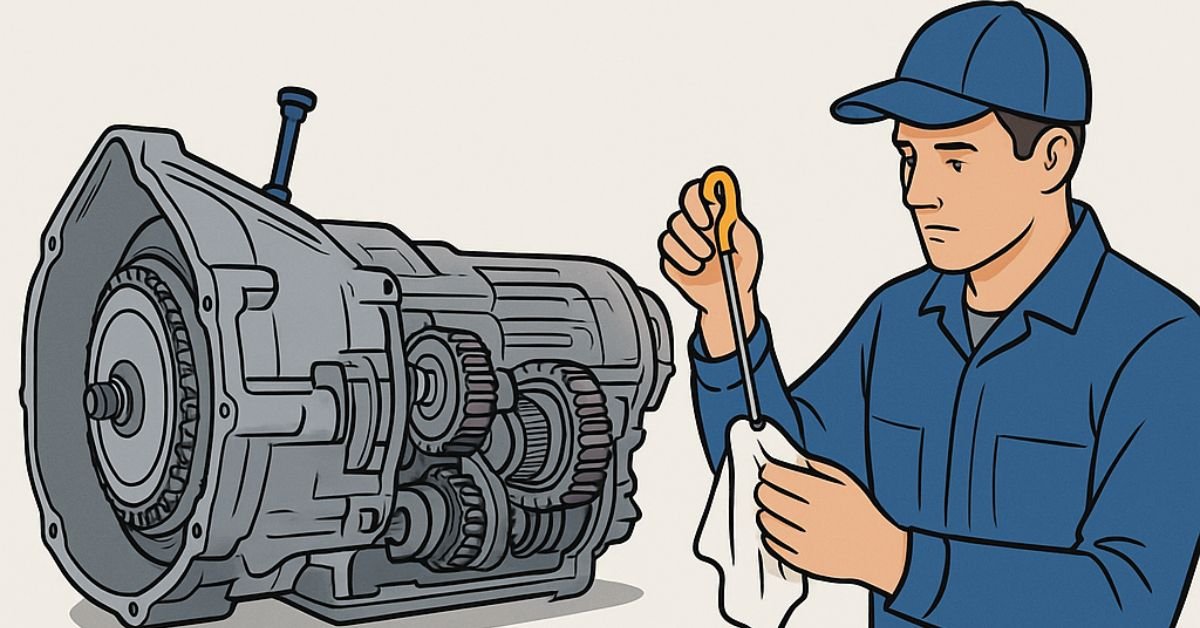
DIY vs. Professional Installation
Some experienced car enthusiasts attempt a DIY transmission swap, but this is not recommended for most people. The process involves heavy lifting, specialized tools, and precise alignment. Without proper knowledge, even small mistakes can lead to costly damage. For most drivers, professional installation ensures reliability, warranty protection, and safety.
Final Thoughts
While replacing a transmission isn’t a quick job, it’s an essential one for keeping your vehicle running smoothly. Expect an average installation time of one full working day, though some cases can take longer depending on the complexity of your car and transmission type.
If your vehicle is showing signs of transmission trouble — such as slipping gears, delayed shifts, or grinding noises — don’t wait too long. Getting it inspected early could save you both time and money. And when it’s time for a replacement, choosing a reputable mechanic ensures that the installation is done right the first time.