
Your vehicle’s transmission is one of the most important and complex components under the hood. Whether you drive an automatic or manual, the transmission relies on fluid to operate smoothly, stay cool, and prevent internal wear. But what actually happens when the transmission fluid is low? Many drivers don’t notice the warning signs until serious damage has already occurred. Understanding these symptoms and the consequences can help you avoid costly repairs.
In this post, we’ll break down the role of transmission fluid, the dangers of running low, the common signs to watch for, and how to protect your transmission for the long term.
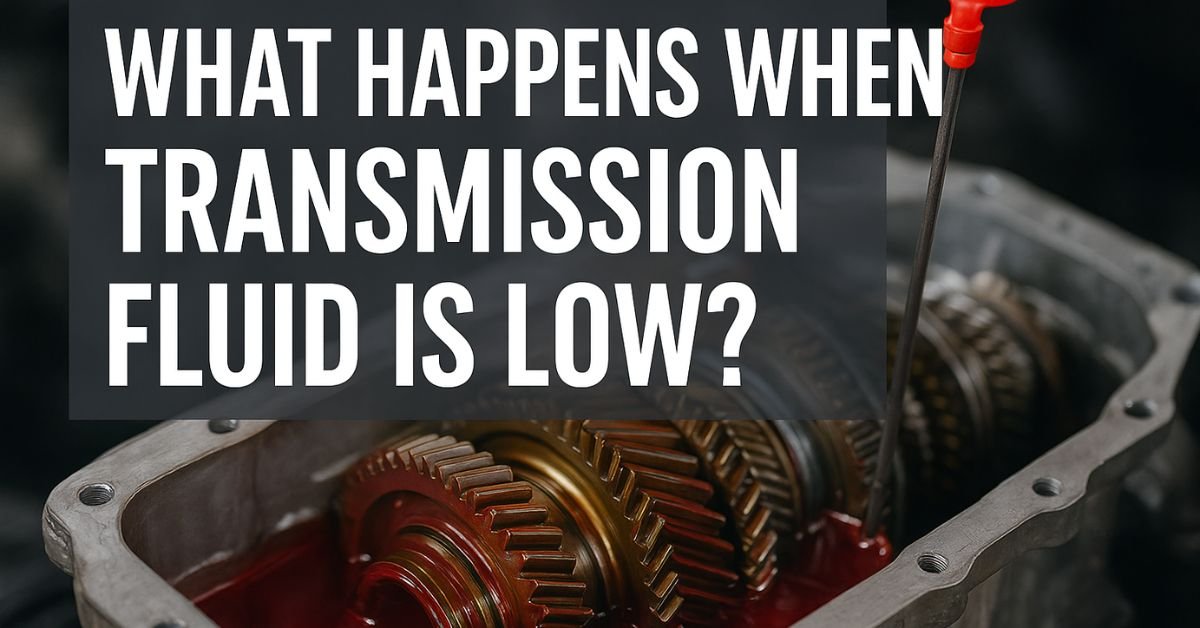
What Happens When Transmission Fluid Is Low? A Complete Guide
Why Transmission Fluid Is Important
Transmission fluid does much more than just lubricate parts. It performs several essential functions:
1. Lubrication
It reduces friction between moving gears, clutches, and bearings. Without enough fluid, metal-to-metal contact occurs, causing accelerated wear.
2. Cooling
The transmission generates a lot of heat. Fluid absorbs and carries away this heat, preventing overheating and internal breakdown.
3. Hydraulic Pressure
In automatic transmissions, the fluid creates pressure that engages gears and allows smooth shifting. Low fluid directly affects gear engagement.
4. Cleaning
Fluid helps keep debris and contaminants suspended, preventing buildup inside the transmission.
What Happens When Transmission Fluid Is Low?
Driving with low transmission fluid can quickly lead to performance issues and mechanical damage. Here’s what typically happens:
1. Hard or Delayed Shifting
When fluid levels drop, hydraulic pressure decreases. This causes slow engagement when shifting from one gear to another. You may notice a delay when shifting into drive or a harsh clunk when the transmission finally engages.
2. Transmission Slipping
Low fluid means the transmission can’t build enough pressure to keep gears fully engaged. The engine may rev higher than usual, but the vehicle doesn’t accelerate properly. This is known as “slipping,” and it’s a serious indicator of fluid-related issues.
3. Overheating
Transmission fluid also acts as a coolant. With insufficient fluid, internal parts heat up quickly. Overheating is one of the main causes of transmission failure, and it can lead to warped metal components, burned clutches, and fluid breakdown.
4. Grinding or Whining Noises
When the transmission isn’t properly lubricated, you may hear unusual noises—whining, humming, or grinding. These sounds usually mean that internal components are being damaged due to lack of lubrication.
5. Gear Engagement Problems
Low fluid can cause the transmission to struggle when shifting into gear. You may experience:
- Difficulty getting the vehicle into drive or reverse
- Vehicle rolling back before gear engages
- Sudden jerks when gears catch late
These symptoms often worsen as the fluid level drops further.
6. Transmission Warning Light
Most modern vehicles have a transmission temperature or warning light. When fluid is low and the system overheats, this light may appear on the dashboard.
7. Complete Transmission Failure
If the problem is ignored long enough, the transmission may fail entirely. Low fluid typically leads to burned clutches, destroyed gears, and internal seal damage—often requiring a full rebuild or replacement, which can cost thousands of dollars.
Common Causes of Low Transmission Fluid
Transmission fluid doesn’t usually evaporate or burn off. If you are low, there is almost always a reason:
1. Leaks
The most common cause. Leaks can occur at:
- Transmission cooler lines
- Seals and gaskets
- Pan gasket
- Torque converter
- Axle seals
2. Worn Seals
Rubber seals degrade with time and heat, allowing fluid to seep out.
3. Improper Maintenance
Skipping fluid changes or using the wrong type of fluid can lead to internal issues that cause fluid loss.
How to Check and Prevent Low Transmission Fluid
1. Check Fluid Regularly
Use the dipstick (if your vehicle has one) and check according to your owner’s manual—usually with the engine warm and running.
2. Look for Leaks
Inspect under your car for red or pink fluid spots.
3. Perform Routine Maintenance
Follow manufacturer recommendations for fluid changes. Old fluid breaks down and can’t protect the transmission properly.
4. Address Symptoms Immediately
If you notice slipping, hard shifts, or noises, don’t wait—get the transmission checked before serious damage happens.
Final Thoughts
Low transmission fluid is not something to ignore. Even a small drop in fluid level can cause serious symptoms like slipping, overheating, or delayed gear engagement. The longer you drive with insufficient fluid, the higher the risk of expensive repairs—or total transmission failure.
Regular checks, early detection of leaks, and proper maintenance are the best ways to keep your transmission healthy and your vehicle running smoothly.