
Your vehicle’s transmission is one of the most important components under the hood. It’s responsible for delivering engine power to the wheels and ensuring smooth shifting while you drive. Just like your engine requires oil changes, your transmission also needs routine maintenance to stay healthy. This essential maintenance is known as a transmission service. But what exactly does a transmission service include, and why is it so important? Let’s break it down in detail.
What Is a Transmission Service? A Complete Guide for Car Owners
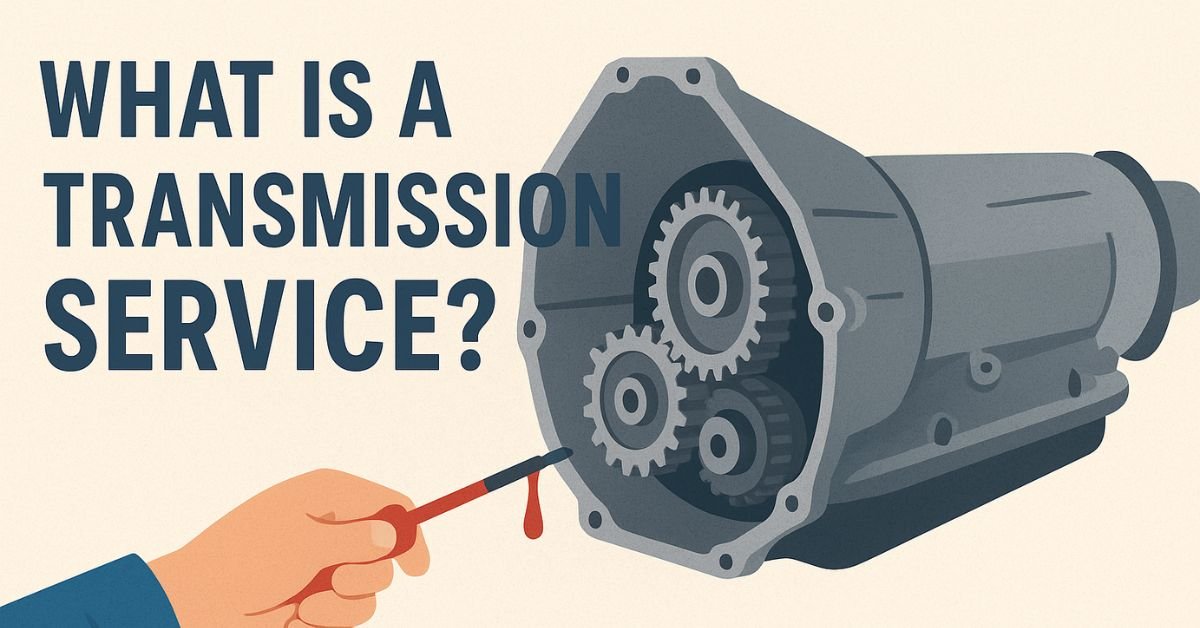
What Is a Transmission Service?
A transmission service is a maintenance procedure that helps keep the transmission system clean, lubricated, and functioning properly. It typically involves replacing old transmission fluid, inspecting internal and external components, and sometimes cleaning or replacing the transmission filter. The exact services performed can vary depending on your vehicle’s make, model, and whether you have an automatic or manual transmission.
Why Transmission Service Matters
Transmission fluid plays several key roles:
- Lubricates gears and moving parts
- Provides hydraulic pressure for shifting
- Cools the system and reduces heat buildup
- Prevents wear, friction, and corrosion
Over time, transmission fluid breaks down from heat, friction, and contaminants. Dirty or degraded fluid can lead to:
- Hard or delayed shifting
- Slipping gears
- Grinding noises
- Overheating
- Poor performance
- Internal transmission damage
Routine transmission service helps avoid these issues and extends the life of your transmission—saving you from costly repairs.
What’s Included in a Transmission Service?
The contents of a transmission service depend on the type of service being performed. Here are the most common elements:
1. Transmission Fluid Replacement
This involves draining the old fluid from the transmission pan and refilling it with fresh fluid. It restores proper lubrication and helps prevent overheating. This is referred to as a “drain and fill” at times.
2. Transmission Fluid Flush
A full transmission flush uses a machine to push out nearly all the old fluid and replace it with new fluid. A flush removes more contaminants than a drain-and-fill, making it ideal for vehicles with dirty or heavily degraded fluid.
3. Filter Replacement
Many automatic transmissions have internal or external filters that catch debris. During a transmission service, the filter is inspected and replaced if necessary.
4. Transmission Pan Gasket Replacement
When the transmission pan is removed to access the filter, the gasket is usually replaced to prevent future leaks.
5. Inspection of Components
Technicians may check for:
- Fluid leaks
- Damaged or worn seals
- Condition of the transmission pan
- Metal shavings or debris
- Proper fluid levels and condition
This inspection helps detect small problems before they turn into bigger ones.
How Often Should You Get a Transmission Service?
Service intervals depend on the vehicle and driving conditions. In general:
- Automatic transmissions: every 30,000 to 60,000 miles
- Manual transmissions: every 30,000 to 50,000 miles
- CVT transmissions: follow manufacturer-specific intervals (often around 40,000 miles)
If you drive in harsh conditions—such as towing, frequent stop-and-go traffic, extreme heat, or aggressive driving—you may need service more frequently.
Always check your owner’s manual for exact recommendations.
Signs You Need a Transmission Service
If your vehicle is due for maintenance or showing early signs of trouble, don’t ignore it. Common warning signs include:
- Dark, burnt-smelling transmission fluid
- Delayed or jerky shifting
- Slipping gears
- Transmission overheating
- Leaking fluid
- Dashboard transmission warning light
Addressing these symptoms early can prevent a complete transmission failure.
Transmission Service vs. Transmission Repair
Many people confuse routine service with repairs. A transmission service is preventive maintenance—similar to an oil change. A repair, on the other hand, is needed only when parts fail or the transmission becomes damaged. Regular servicing dramatically reduces the chances of needing expensive repairs or a full transmission rebuild.
Conclusion
A transmission service is one of the most important maintenance tasks you can perform for your vehicle. It ensures smoother shifting, better performance, and a longer lifespan for your transmission. By regularly replacing the fluid, inspecting components, and addressing small issues early, you can avoid costly repairs and keep your car running strong for years.